
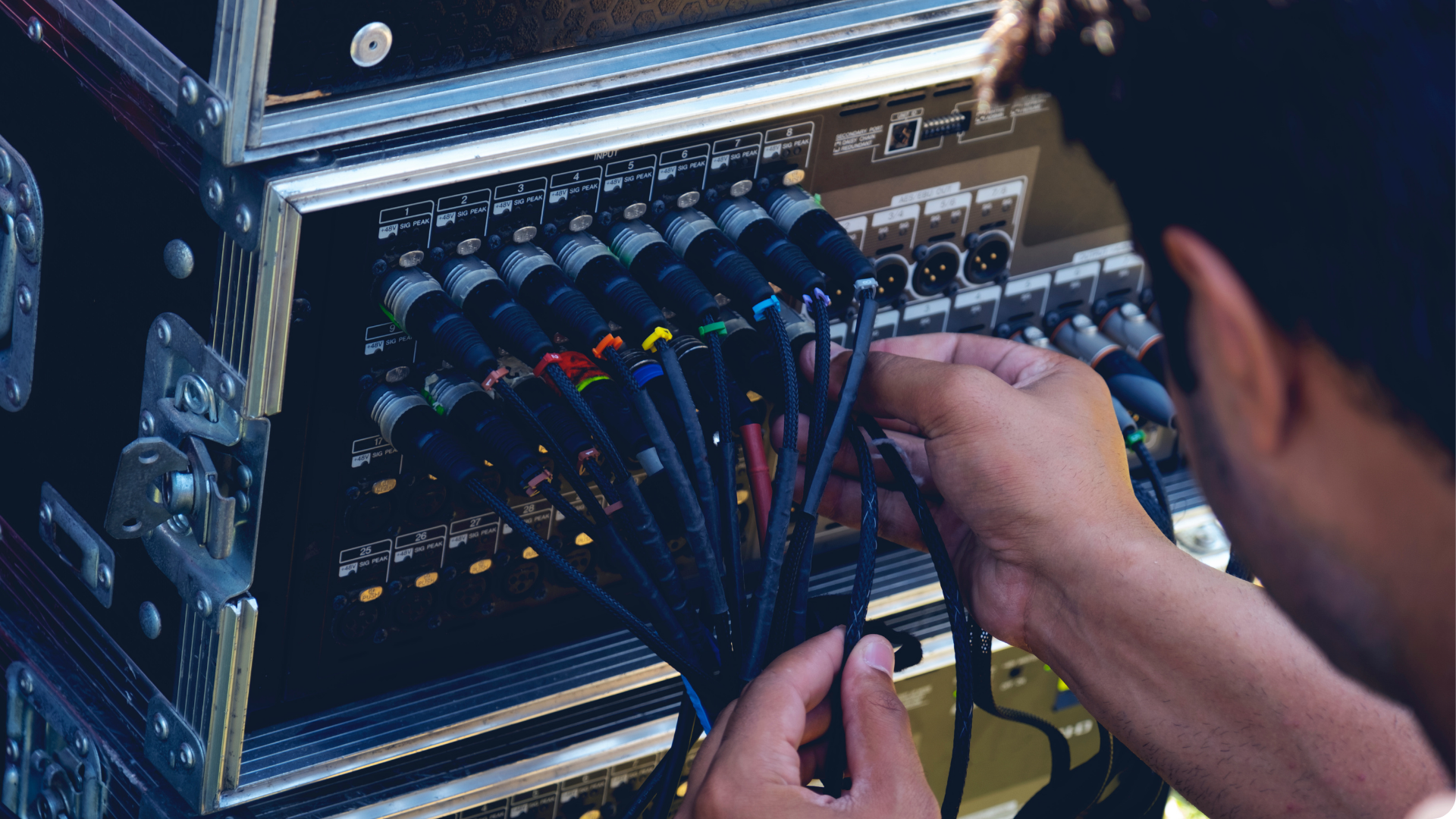
Whether you’re setting up a professional sound system, upgrading your home theater, or simply connecting your personal audio devices, cables are a critical part of the system. However, using low-quality audio cables can lead to a host of problems — from annoying sound glitches to serious equipment damage. In this guide, we’ll explore the hidden dangers of cheap cables, how they affect your audio performance, and what you can do to avoid these costly mistakes.
Common Problems with Low-Quality Audio Cables:
- Poor Sound Quality (Signal Loss and Noise) : Low-cost cables often use inferior materials and weak shielding. As a result, the audio signal can degrade during transmission, leading to:
- Background humming, buzzing, or hissing sounds
- Distortion of music and vocals
- Loss of dynamic range, making your audio sound flat and lifeless
- Connection Failures : Cheap connectors are often made from low-grade metals that corrode quickly. Common connection problems include:
- Loose plugs and unstable connections
- Crackling, popping, or intermittent audio dropouts
- Broken plugs after repeated use
- Short Lifespan : Low-quality cables are not built to withstand daily wear and tear. Issues include fraying jackets, weak internal soldering, and overall brittleness.
- Potential Safety Risks : Poorly manufactured cables may overheat, short-circuit, or even pose a fire risk, especially when used with high-power amplifiers.
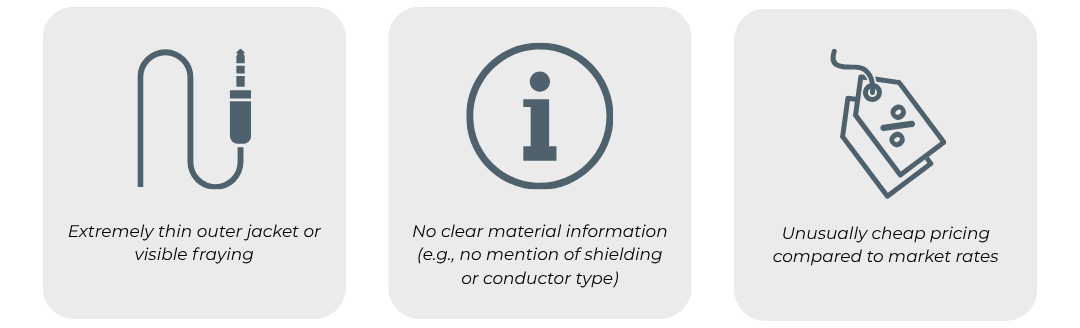
How to Identify a Low-Quality Audio Cable:
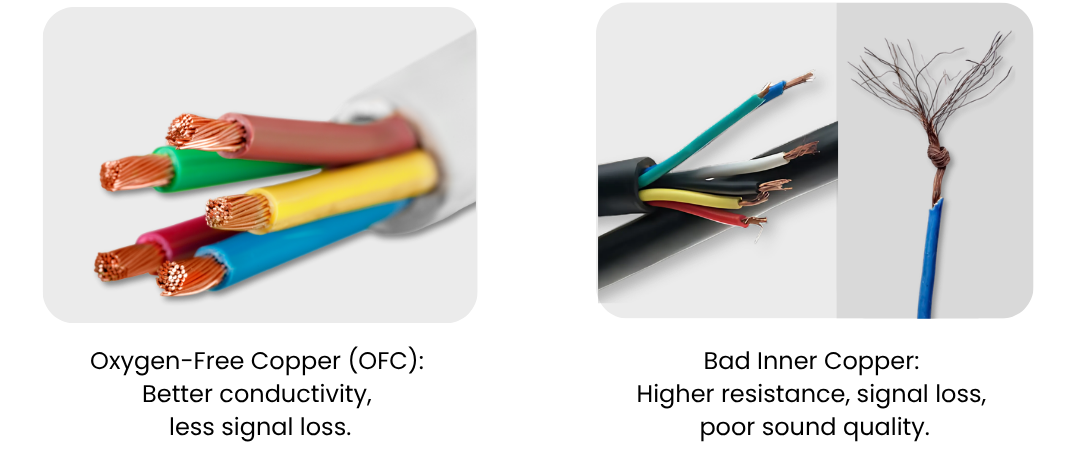
Common Materials Used in Audio Cables
How to Avoid These Issues
- Choose Well-Shielded Cables : Proper shielding blocks electromagnetic and radio-frequency interference, preserving the original sound quality.
- Invest in Reputable Brands : Brands that specialize in audio equipment often use better materials and stricter manufacturing standards.
- Match Cable Type to Your Setup : Balanced for professional use; shielded RCA or high-grade 3.5mm for home audio.
- Consider Gold-Plated Connectors : Gold resists oxidation, ensuring longer-lasting, cleaner connections.
- Check for Warranty and Build Quality : Good products come with confidence — solid construction, reinforced joints, and clear specifications.
Conclusion
Don’t underestimate the role of audio cables
Even the best speakers, amps, or audio interfaces can sound disappointing if connected with poor-quality cables. By investing in reliable, properly shielded, and well-constructed cables, you ensure: